At some point after a significant injury: a knee reconstruction, a disc problem, a shoulder repair — you were discharged from physiotherapy with the all-clear and a set of exercises you were supposed to keep doing at home. Most people do them for two weeks. Then life resumes, the routine dissolves, and the body slowly defaults back to the compensation patterns that were there before.
Months later, you’re functional. But you’re not training. You’re managing.
There’s a specific gap between physiotherapy discharge and actually rebuilding your body. Private personal training — the right kind — is what fills it.
Why physio discharge isn’t the finish line
Physiotherapy is built around restoring function and reducing pain. It does this well. What it isn’t designed for is progressive strength development, rebuilding the movement patterns and physical capacity that injury interrupted or getting you back to the physical life you had before — or better than before.
The transition from ‘I’m not in pain anymore’ to ‘I’m moving and training well’ is where most people get stuck. Without a structured bridge between the two, the pattern is predictable: cautious self-management, avoiding movements that caused trouble, gradual deconditioning, and the slow accumulation of new compensations around the original site.
What the rehab-to-training transition actually requires
The first thing a good coach does when working with someone returning from injury is not write a programme. It understands the full picture: what happened, what was treated, what the physio found, what movements still cause concern and what the person can currently do without aggravation.
From there, the process is graduated. Loading patterns are introduced progressively. The injured area is strengthened — not avoided. Compensation patterns are identified and addressed. The goal isn’t to work around the injury indefinitely; it’s to build back to the point where the injury no longer dictates how you move.
This requires more than a generic ‘return to exercise’ plan. It requires a coach who can read how your body is responding, adjust when something isn’t working and progress you safely toward real capacity rather than just comfortable maintenance.
The case for working with a physio and a personal trainer together
A physiotherapist and a personal trainer address different phases of the same recovery. Physio manages the acute and sub-acute phases: pain, inflammation, restoring basic function. A personal trainer takes over where physio leaves off: progressive loading, strength development, movement retraining, and building the physical resilience to prevent recurrence.
The best outcomes happen when both are communicating. A good private trainer will ask to see your physio notes, understand the recommendations and build a programme that respects the clinical picture while progressively developing your strength. If the physio and trainer are working in parallel — or if the trainer is comfortable coordinating directly, the transition becomes significantly smoother.
What this looks like over time
In the first few weeks, the focus is on movement quality and loading tolerance; understanding what your body can handle without aggravation and beginning to build strength in the patterns that were compromised.
Over one to three months, progressive loading begins in earnest. Strength benchmarks develop. The injured area becomes a normal part of the training system rather than a protected exception.
By three to six months, most clients in this category are training in a way they couldn’t have imagined at physio discharge. Not because they pushed through regardless — but because the progression was intelligent and the coaching was specific enough to catch problems early.
The psychological component
Injury leaves a mark beyond the physical one. Many people who’ve been through significant injury develop a guarded relationship with their own body; hesitation before movements that used to be automatic, a low-level anxiety about re-injury that colours every session.
Working through this requires a coach with high EQ, not just high technical knowledge. The right coach recognises when hesitation is caution worth respecting and when it’s a pattern worth gently challenging. That distinction: knowing when to ease off and when to push forward — is what separates good injury-return coaching from the kind that either moves too fast or keeps you stuck in management mode indefinitely.
What MOVE offers
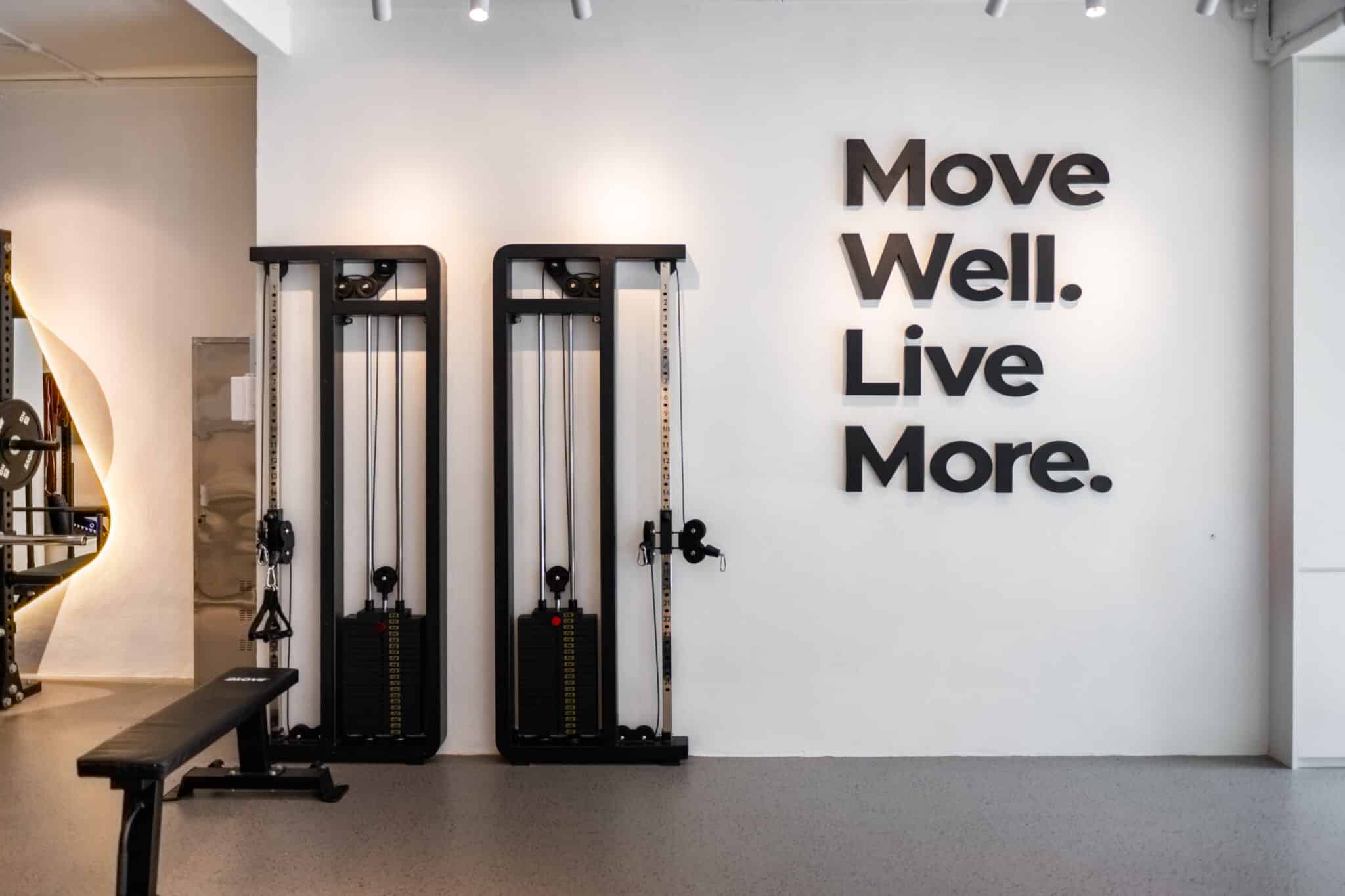
MOVE Private Fitness has worked with a significant number of clients navigating post-injury return — post-surgical, chronic pain management, managing the early signs of age-related decline. Our coaches are trained to work within clinical histories, coordinate with physiotherapists where relevant and build programmes that progress clients safely toward genuine training capacity. Every client begins with a thorough assessment. If you’ve been discharged from physio and aren’t sure how to take the next step, that’s exactly where we start. Read what our clients say.
If you’re ready to stop managing and start training, come in for a free consultation at MOVE Singapore. We’ll start with an honest conversation about where you are and what’s actually possible.