MOVE Private Fitness’ CEO Samuel Tan recently penned an article for Beyond Activ titled “Beyond the Hype: Creating Real Value in Southeast Asia’s Fitness Industry,” where he explores why fitness in the region still struggles with relevance despite rapid growth.
With a background in business and brand strategy, he is known for building purpose-led companies rooted in culture-first leadership. He currently leads MOVE’s next expansion phase across the region while developing its education arm, MOVE Nation.
In his piece, Samuel challenges common assumptions about expansion and calls the industry to rethink what real value looks like for everyday people in Southeast Asia. As he puts it,
“Fitness in Southeast Asia still feels like a luxury for many — a distant goal tied to expensive gyms, strict diets, or a certain look.”
Despite the flood of new brands and bold marketing, he argues that
“we’re barely scratching the surface of who actually needs fitness.”
For Samuel, the issue isn’t how fast the industry can scale — it’s whether it can truly matter.
1. Make Fitness Make Sense
Samuel emphasizes that fitness has to meet people where they are. For many, it’s not about chasing aesthetics or performance but about being able to keep up with life — having the stamina to run after their kids, managing daily stress, or moving without pain.
He notes that when fitness feels like a test instead of support, most people simply won’t show up.
“Value starts with programs that feel doable and outcomes that actually matter.”
How We’ve Applied This at MOVE
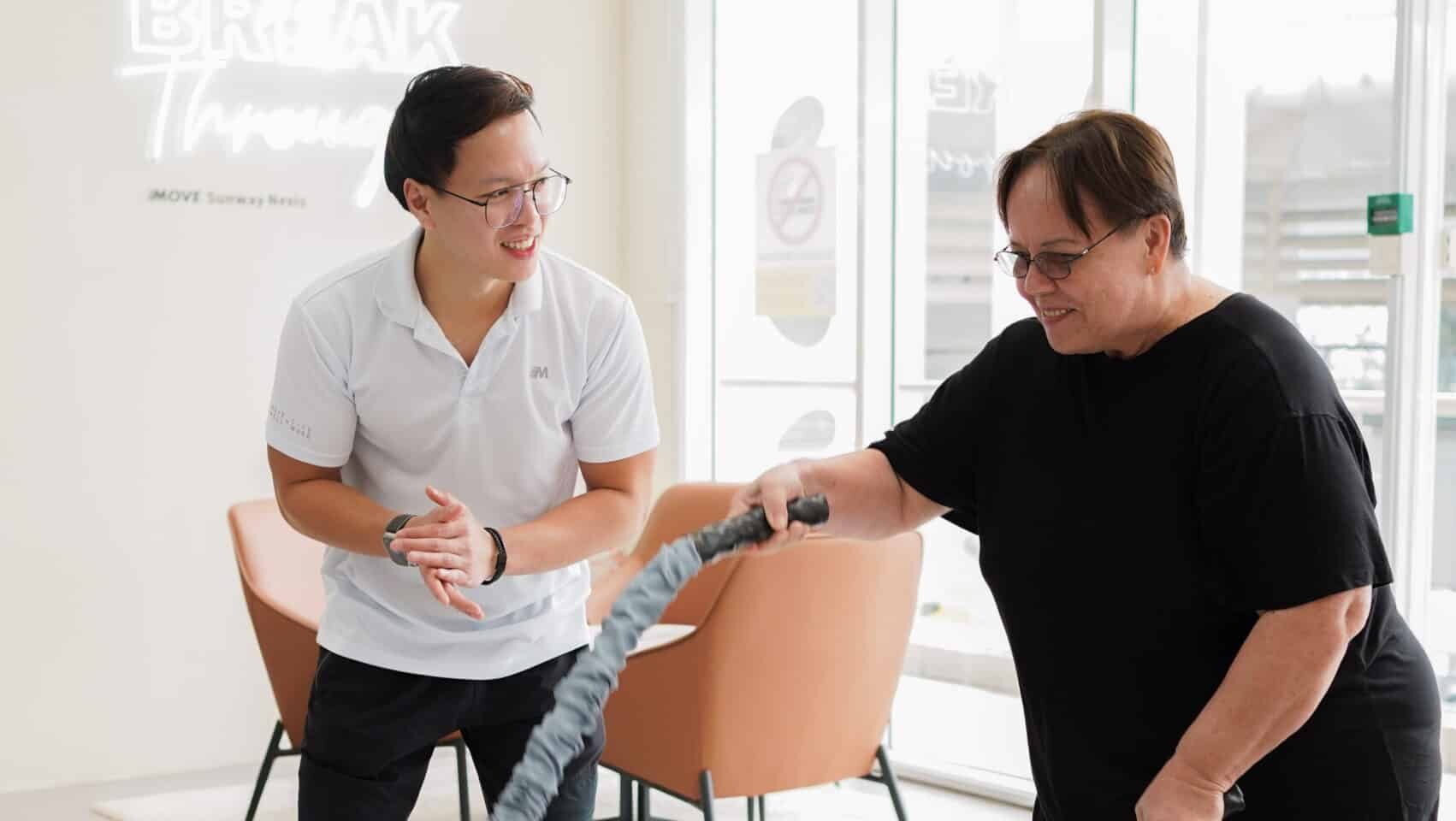
At MOVE, this belief informs everything from onboarding to coaching culture. We shifted our approach from “selling fitness” to solving real-life challenges. The first step is always listening — understanding what matters to each person, what has held them back, and what success means to them personally.
Samuel highlights that coaches are trained not just in technique but in communication and care, because for many clients, this is their first real step into fitness.
We keep our services simple and focused so coaches can pour full attention into each individual.
“Whether it’s focused personal training or steady support to navigate lifestyle hurdles, the goal remains: make it feel doable with meaningful outcomes.”
2. Design With Wider Entry Points
Samuel highlights a key industry blind spot: most fitness offerings cater to the fitness-savvy, overlooking the hesitant, intimidated or those who have tried and quit. To reach these groups,
“That means rethinking onboarding, pricing, coaching style, and communication to be clearer, kinder, and more human.”
3. Build Trust Over Time
With misinformation and unregulated claims running rampant, Samuel stresses that trust becomes the most valuable currency.
And trust isn’t built with flashy ads or discounts — it’s earned through
“Consistent results, honest education, and coaches who genuinely care.”
4. Think Locally, Lead Locally
Samuel reminds us that Southeast Asia is not a single market. Culture, family dynamics, work realities, and financial pressures all shape how communities interact with fitness.
The brands that will lead are the ones that listen, adapt, and reflect the people they serve.
How We’ve Brought This Home at MOVE
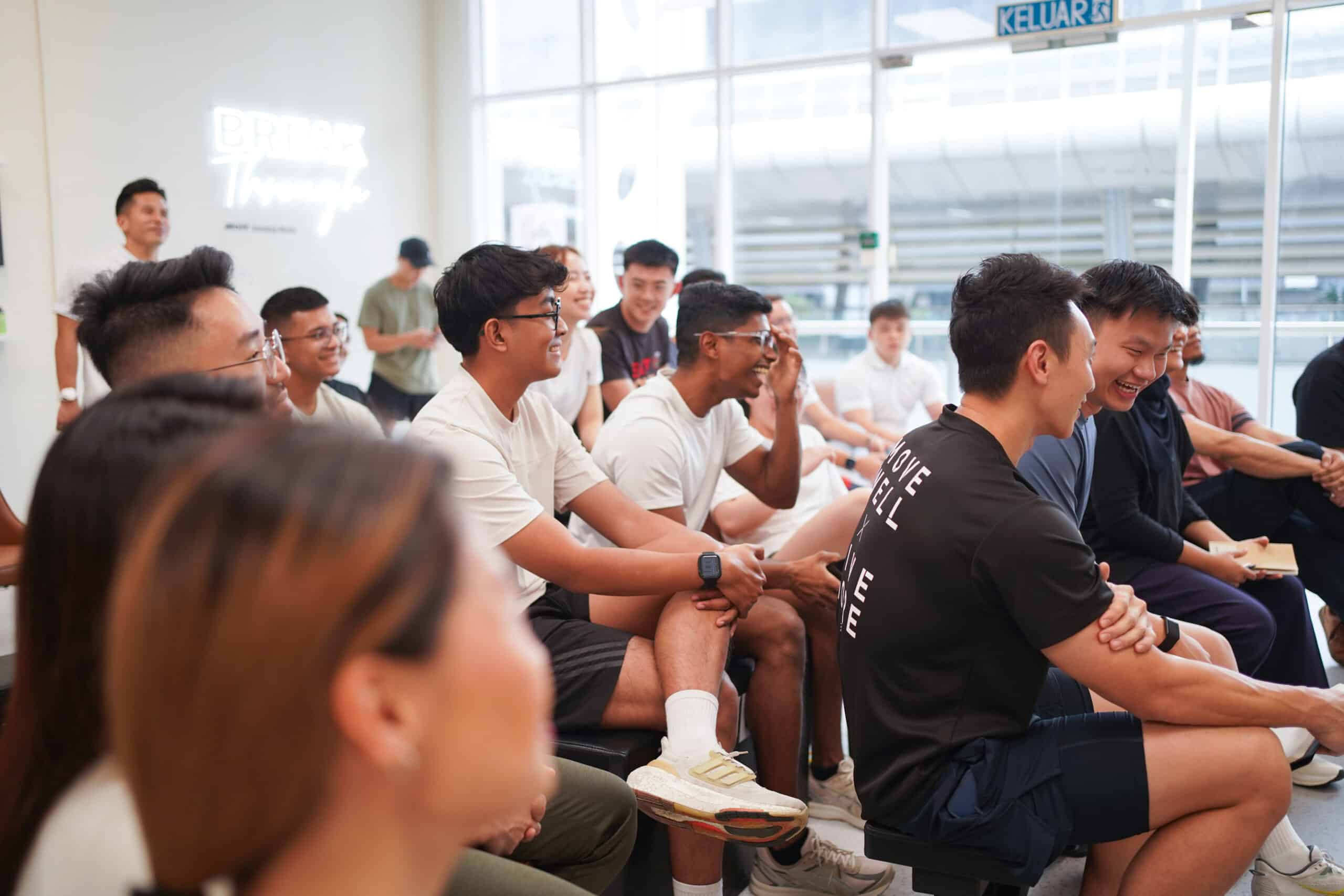
We intentionally represent the communities we serve through local coaches, local stories, and using local language across customer experience and content.
“More people who once felt excluded now find their place with us. That’s how we know we’re moving in the right direction.”
Final Thoughts
The fitness industry in Southeast Asia is still maturing. Leaders today aren’t just vying for attention — they’re defining what fitness means for millions. The next wave won’t focus on speed or size; it will be about depth, reach and relevance. As Samuel concludes,
“Because scale without meaning is just noise — and we’ve had enough of that.”